FREQUENTLY ASKED QUESTIONS
Here you will find answers to the most common questions to easily understand the concept of the world’s quietest place.
What is The World’s Quietest Place?
The World’s Quietest Place is an independent initiative that actively creates the conditions for a place with an exceptional absence of human-made disturbance.
The project does not merely search for an untouched location.
It works to establish, protect, and maintain a place where human infrastructure cannot be heard, seen, or anticipated — not by chance, but by design.
What do you mean by “complete escape from civilization”?
It refers to the absence of audible and visible signs of human infrastructure.
This includes aircraft noise, distant engines, artificial light, and the constant expectation that something technological will intrude.
Why does the project focus on noise rather than other forms of disturbance?
The project does not focus on noise in isolation.
The aim is to establish and maintain the conditions for a place where major forms of human-made disturbance are intentionally eliminated or prevented — visual, auditory, and anticipatory.
In the case of Muddus National Park, most such disturbances are already minimal due to distance, protection, and geography.
What remains is sound from above.
Addressing this final source of disturbance is what makes the idea of complete absence meaningful in this specific location.
Why is air traffic discussed in this project?
In many otherwise undisturbed landscapes, air traffic has become the most far-reaching and least visible source of disturbance.
In this project, it is discussed because it is the remaining factor that determines whether long-lasting absence is possible or not.
The relevance of air traffic depends entirely on location. In other places, different sources would matter more.
Does this mean restricting aviation?
No.
The project does not advocate restrictions or bans.
It explores whether limited, voluntary adjustments around specific areas could preserve silence without significant consequences for air traffic operations.
How can airlines be encouraged to participate?
By demonstrating that small, targeted adjustments can make a meaningful difference on the ground while having minimal impact in the air.
Participation is based on dialogue, transparency, and a clear understanding of what such cooperation makes possible.
Why Muddus National Park?
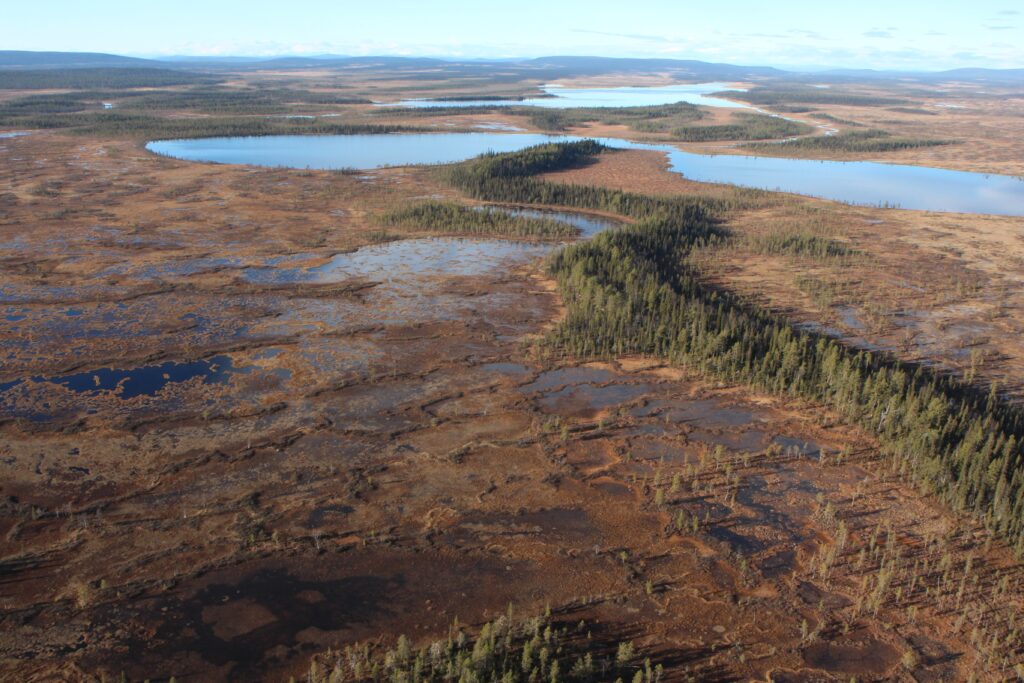
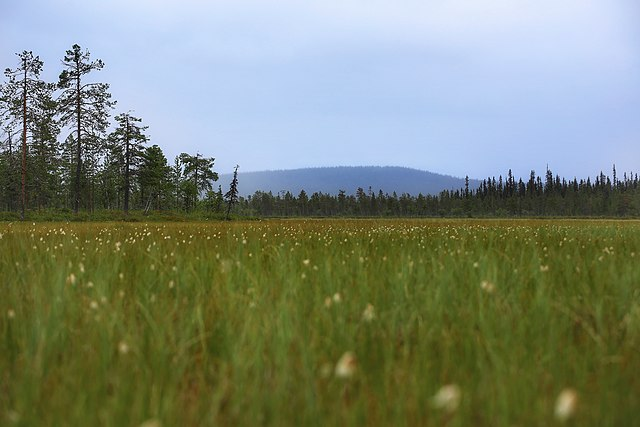
Muddus combines strong legal protection, distance from infrastructure,
and an unusually low density of air traffic.
These conditions make it a rare example of a place where long-lasting absence may still be possible.
Aren’t there already many very quiet places in northern Sweden?
Yes — there are many places that can be very quiet at times.
What is rare is not quiet moments, but reliable absence.
This project is concerned with whether it is possible to know in advance that a place can be entered and experienced without interruption.
Not occasionally.
But consistently.
Is this really the quietest place in the world?
No — not in the sense of absolute silence.
You will hear wind in the trees.
Footsteps on snow or ground.
Birds.
Weather.
The project is not about removing natural sound.
What makes this place different is not silence in itself,
but the absence of sound created by civilization.
It aims to become the first place where it is possible to stay for an extended period of time without hearing any human-made noise at all —
no engines,
no aircraft,
no distant infrastructure.
Not because nature is silent, but because it is undisturbed.
Is this a symbolic project or a practical one?
Both.
The practical aim is to preserve a specific place. The symbolic value lies in demonstrating that silence and absence are conditions that can be taken seriously and actively cared for.
Will it be possible to visit the place?
Yes.
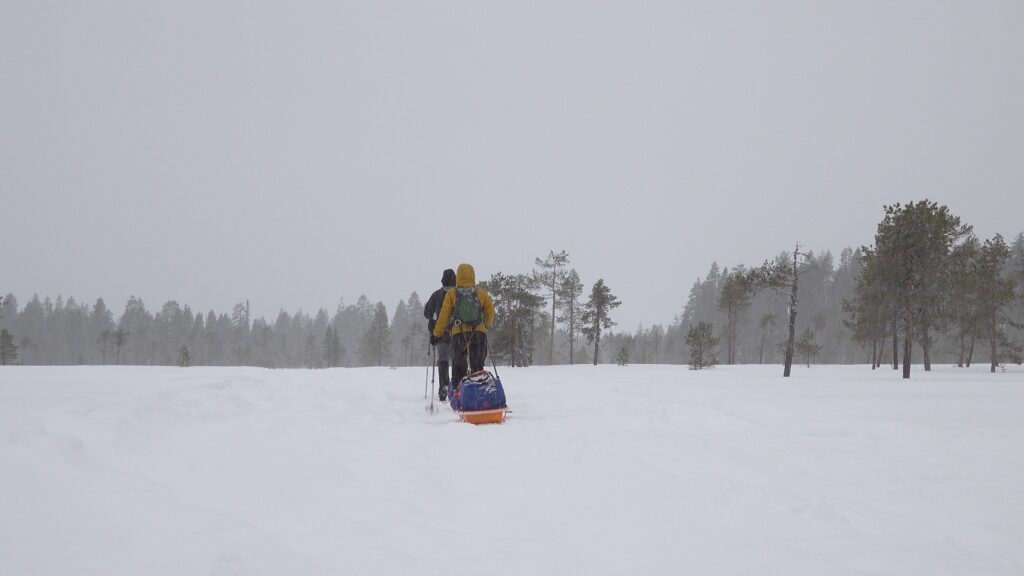
The area is already accessible, and existing forms of nature-based tourism can continue.
The difference lies not in access, but in the conditions of the experience.
What will be different for visitors if the project succeeds?
The landscape itself will remain the same.
What changes is the quality of presence.
Visitors will be able to enter the area without waiting for disturbance,
and to remain without interruption.
An experience that is already rare — made reliable.
Who is this project for?
For anyone who believes that not all values can be measured in access, efficiency, or use — and that some experiences matter precisely because they are rare.